Monster Boo Font for Web Design
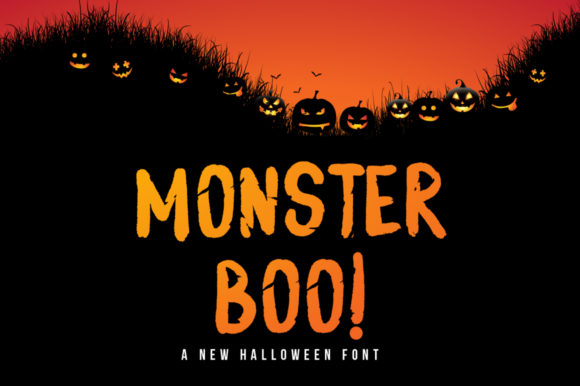
Monster Boo is a display font that brings a unique and timeless vibe to digital design. Its rough, textured style makes it stand out in web layouts, offering a fresh alternative to more traditional typefaces. Whether you're designing a website, app interface, or digital marketing asset, Monster Boo adds visual interest and personality without overwhelming the user.
As a web designer, I look for fonts that not only catch the eye but also support readability and usability. Monster Boo excels in this area by maintaining legibility even at smaller sizes, making it ideal for headers, buttons, and short phrases. Its bold strokes and uneven edges give it a handcrafted feel, perfect for creative projects that need a touch of authenticity.
Using Monster Boo in Web Layouts
Monster Boo works best in areas where visual impact is key. It's a great choice for hero sections, where a strong headline can draw attention and set the tone for the rest of the page. On landing pages, it can be used for call-to-action buttons, helping to guide users toward conversion points with clear, bold text.
In online stores, Monster Boo can elevate product labels, banners, and promotional graphics. Its distinctive look helps products stand out in a crowded marketplace, reinforcing brand identity through typography. For blog headers and content sections, it adds a dynamic element that keeps readers engaged and interested in the material.
Monster Boo and Visual Hierarchy
Visual hierarchy is crucial in web design, and Monster Boo supports this by naturally drawing the eye to key elements. Its weight and texture make it ideal for section headings, subheadings, and decorative accents that break up long blocks of text. When used strategically, it helps users scan content quickly and find what they're looking for.
For branding purposes, Monster Boo offers a consistent identity across different platforms. It can be used in logos, social media graphics, and email templates to maintain a cohesive look. This consistency builds trust and recognition, which are essential for any digital brand.
Monster Boo in Digital Branding
When creating a brand identity, typography plays a central role. Monster Boo provides a strong foundation for brands that want to express creativity and individuality. It's especially effective for boutique stores, creative agencies, and independent designers who want their work to stand out.
On a coaching website, for example, Monster Boo can be used for headlines that introduce services or highlight key messages. In a course sales page, it can be used for title cards or section dividers, making the content more engaging and easier to navigate. Its versatility allows it to adapt to various design needs without losing its character.
Monster Boo on Mobile and Responsive Designs
Mobile responsiveness is a critical factor in modern web design, and Monster Boo performs well on smaller screens. Its clean lines and balanced spacing ensure that text remains readable even when viewed on phones or tablets. When used for small buttons or icons, it maintains clarity without appearing too busy or cluttered.
On dark backgrounds, Monster Boo retains its contrast and visibility, making it suitable for night mode themes or high-contrast interfaces. On light backgrounds, it adds a subtle texture that enhances the overall aesthetic without distracting from the content. When placed over images or gradients, it still holds up, thanks to its strong visual presence.
Font Pairing with Monster Boo
While Monster Boo is a standout display font, it pairs well with simpler typefaces to create a balanced design. A sans serif font like Open Sans or Lato can serve as a complementary body text, providing contrast and improving readability. For a more editorial look, a serif font such as Georgia or Playfair Display can add sophistication and depth to the layout.
When pairing with other decorative fonts, it's important to maintain a clear hierarchy. Use Monster Boo for headlines and short phrases, and reserve more ornate or script fonts for secondary elements. This approach ensures that the design remains organized and easy to follow.
Monster Boo in Creative Projects
For a creative portfolio site, Monster Boo can be used for project titles, navigation menus, and featured sections. Its rough texture gives a sense of craftsmanship, aligning with the work being showcased. In a digital brand kit, it can be used for business cards, social media banners, and email signatures, ensuring a unified look across all touchpoints.
On a product landing page, Monster Boo can be used for headline copy, feature highlights, and pricing sections. Its boldness draws attention to key selling points, while its uniqueness helps the page stand out from competitors. When used in combination with clean, minimal design elements, it creates a powerful visual statement.
Commercial Licensing and Webfont Availability
Before using Monster Boo in commercial projects, it's important to check the licensing terms. Most premium fonts offer webfont licenses that allow them to be embedded in websites, ensuring smooth performance across different devices and browsers. Make sure to review the license agreement to confirm that it covers your intended use, whether it's for a personal project, client work, or an online store.
Additionally, consider the file formats provided. Webfonts are typically available in WOFF or WOFF2 formats, which are optimized for fast loading and cross-browser compatibility. If the font includes multiple weights or alternates, these can be useful for creating varied typographic styles within a single design system.
Monster Boo's multilingual support is another consideration, especially if your audience speaks multiple languages. Ensure that the font includes the necessary characters and glyphs to display text correctly in different languages, avoiding issues with missing symbols or incorrect rendering.