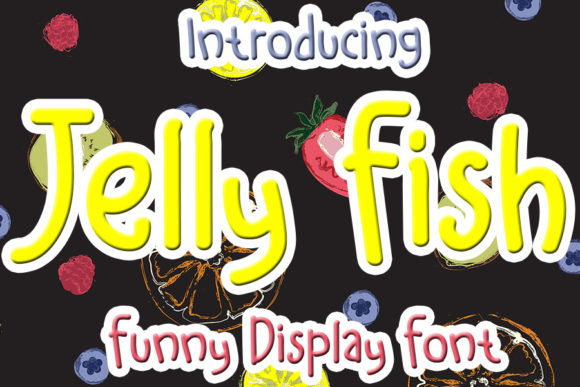
Jelly Fish Font: Playful and Bold
Jelly Fish is a display font that brings a sense of fun and creativity to any digital project. Its colorful and joyful design makes it ideal for web designers, UI creators, and digital product developers looking to add personality to their layouts. Whether you're working on a website, app screen, or social media graphic, Jelly Fish offers a unique visual identity that stands out.
The font's playful style is perfect for headers, logos, and decorative elements. Its bold strokes and whimsical shapes make it easy to recognize at a glance, which is essential for creating strong visual hierarchy. When used in hero sections or call-to-action buttons, Jelly Fish can draw attention and guide users through your content with clarity and charm.
Using Jelly Fish in Web Design
Jelly Fish excels in digital spaces where visual impact matters. For example, in a creative portfolio site, the font can be used as a headline to introduce a designer’s work. On a boutique online store, it adds a friendly and approachable tone to banners and product titles. In a coaching website, it can reinforce a brand's energetic and supportive personality.
For landing pages, Jelly Fish works well in short phrases or headlines that need to grab attention quickly. It pairs well with simpler fonts like a sans serif for body copy, allowing the display font to shine without overwhelming the reader. This contrast helps maintain readability while keeping the design visually engaging.
Readability and Visual Hierarchy
While Jelly Fish is designed for impact, it also supports effective readability when used appropriately. On mobile screens, it's best to keep text sizes large and avoid using it in long paragraphs. Small buttons or dark backgrounds may require careful spacing and color choices to ensure legibility.
In responsive layouts, Jelly Fish can be used as a decorative accent or heading. When placed over image overlays, it benefits from high-contrast colors to remain visible. For instance, a blog header using Jelly Fish on a background image can create a striking visual effect that enhances the overall design.
Brand Identity and User Engagement
Jelly Fish contributes to a brand's tone by adding a sense of playfulness and energy. It’s especially useful for brands targeting younger audiences or those looking to convey creativity and innovation. When used consistently across a website, it reinforces a cohesive online identity that users can easily recognize.
For conversion-focused layouts, Jelly Fish can be used in CTA buttons or promotional banners. Its vibrant style encourages interaction and makes the user experience more enjoyable. However, it's important to balance its use so it doesn’t distract from the main message or functionality of the page.
Practical Applications for Digital Creators
Designers working on course sales pages can use Jelly Fish to highlight key benefits or unique selling points. In a digital brand kit, it can serve as a signature font for logos, social media graphics, and marketing materials. For SaaS founders, it adds a modern and approachable feel to landing pages and feature descriptions.
When designing for an online store, Jelly Fish can be used in promotional banners or product headings to catch the eye of potential customers. In a blog header, it sets the tone for the content and invites readers to explore further. Its versatility makes it a valuable addition to any design toolkit.
Font Pairing and Design Assets
Pairing Jelly Fish with a simple sans serif font for body text ensures that the design remains clean and professional. For editorial designs, combining it with a serif font can create a balanced and sophisticated look. In packaging design, it adds a fun and memorable element that stands out on shelves.
When considering font pairing, it's important to check the available styles, weights, and file formats. Jelly Fish may come in multiple variations, including bold, light, or alternate versions. These options allow for greater flexibility in different design scenarios. Additionally, multilingual support ensures that the font works well across various languages and scripts.
Commercial Licensing and Usage
For web designers and digital creators, understanding commercial font licensing is essential. Jelly Fish should be licensed properly for use on websites, client projects, online stores, and digital templates. Always verify the terms of use to ensure compliance and avoid legal issues.
When incorporating Jelly Fish into a brand asset, consider how it will be used across different platforms. From social media graphics to email newsletters, the font should maintain consistency while adapting to different formats. This ensures that the brand's visual identity remains strong and recognizable.
Whether you're designing a creative portfolio, a boutique online store, or a coaching website, Jelly Fish offers a versatile and expressive solution. Its bold, colorful style adds a unique touch to any digital project, making it a go-to choice for web designers and digital creators who value both aesthetics and functionality.